

How an Attorney Can Shape the Outcome of a MVA Case
A car wreck can turn a normal day into a problem that follows a person for months. Medical appointments, missed work, repair bills, insurance calls, and pain can pile up quickly. In a motor vehicle accident, often called an MVA case, the outcome may depend on much more than who was at fault. It can depend on what evidence is preserved, how injuries are documented, and how the insurance company evaluates the claim.
An attorney can affect each of those points. The role is not just filing paperwork. A good attorney helps build the case from the ground up, protects the injured person from common mistakes, and pushes for a result that reflects the actual harm caused by the wreck.
This article is for general information only and is not legal advice. Every case depends on its facts and the law in the state where the crash happened.
An attorney helps protect the case early
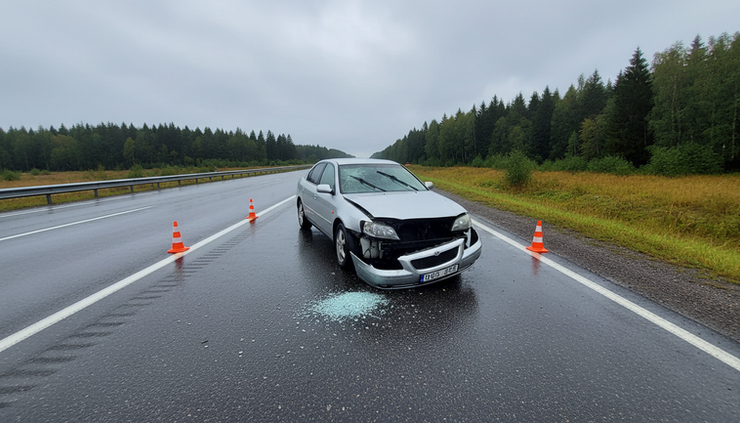
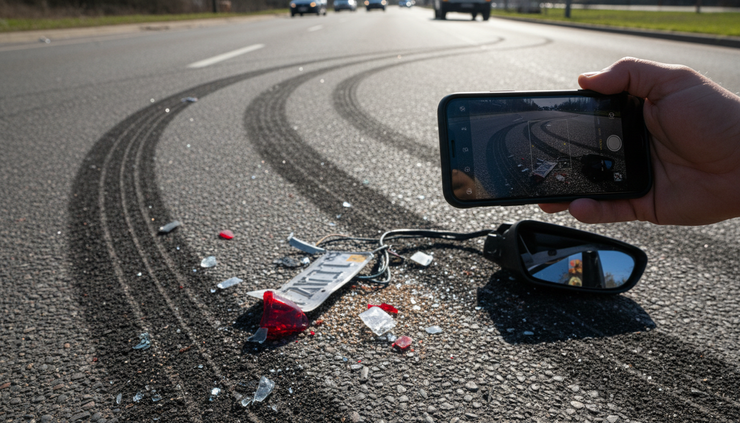
The first days after a crash often matter more than people realize. Evidence can disappear. Vehicles get repaired or scrapped. Witnesses forget details. Skid marks fade. Video footage from nearby homes or businesses may be erased.
An attorney can move quickly to identify and preserve evidence, such as:
Photos of the crash scene and vehicle damage
Police reports and crash diagrams
Medical records and bills
Witness names and statements
Traffic camera or dashcam footage when available
Insurance information for all drivers involved
This early work can make a major difference in a car wreck MVA case because insurance companies usually look for gaps. If the injury was not documented right away, they may argue it was unrelated. If property damage photos are missing, they may argue the impact was minor. If fault is disputed, they may rely on the version of events that helps them pay less.
An attorney can also handle insurance communication. That matters because recorded statements, casual comments, and incomplete answers can be used against an injured person later. A simple phrase like “I’m feeling okay” can create problems if symptoms get worse the next day.
Fault is rarely as simple as it looks
Many people assume fault is obvious after a crash. One driver rear-ended another. Someone ran a red light. A distracted driver drifted into another lane. Yet MVA claims often become more complicated once insurance companies get involved.
The other driver may deny responsibility. The insurer may argue both drivers share fault. In some states, partial fault can reduce recovery. In others, it can block recovery if fault reaches a certain level.
An attorney can review the facts and look for details that support liability. That may include checking the police report for errors, comparing vehicle damage to the crash story, locating witnesses, or analyzing road conditions. In more serious cases, an attorney may work with accident reconstruction professionals to show how the wreck happened.
Fault also involves more than driver behavior. A case may involve other parties, such as:
An employer, if the at-fault driver was on the job
A vehicle owner, if they allowed an unsafe driver to use the car
A bar or restaurant in some cases involving impaired driving
A vehicle or parts maker if a defect contributed to the crash
A government entity if poor road design or missing signs played a role
Not every case includes these issues, but an attorney can look beyond the first obvious answer. That can change the value and direction of the claim.
Damages must be documented, not just described
Insurance companies do not pay fair compensation simply because someone says they are hurt. They look for records. They review treatment timelines. They compare medical bills, work restrictions, and injury complaints. They may also question whether the treatment was necessary or whether the injuries came from something other than the crash.
An attorney helps connect the damages to the wreck in a clear, organized way.
Damages may include:
Emergency room visits and follow-up care
Physical therapy or chiropractic treatment
Surgery or specialist care
Prescription costs and medical equipment
Lost wages or reduced earning ability
Vehicle repairs or replacement
Pain, discomfort, and loss of normal activities
The key is showing the full impact. For example, two people may have similar neck injuries on paper, but their lives may be affected very differently. One may miss a few days of work. Another may be unable to lift a child, drive long distances, or return to a physically demanding job.
Details matter. Medical records show treatment, but they may not fully show how the injury affects daily life. An attorney may recommend keeping notes about pain levels, missed activities, sleep problems, and limitations. Those details can help tell the story behind the bills.

The settlement process has several stages
Most MVA cases do not begin in court. They usually start with investigation, medical treatment, and insurance claims. The process can vary, but many cases follow a general path.
First, the attorney gathers facts and evidence. This includes the crash report, photos, insurance policies, medical records, and proof of income loss. If the injured person is still treating, the attorney may wait until the medical picture is clearer before making a demand. Settling too early can be risky because future care may not be included.
Next, the attorney prepares a demand package for the insurance company. This package usually explains liability, injuries, treatment, bills, lost wages, and the amount requested to settle the claim.
The insurance company reviews the demand and responds. It may accept, deny, or make a low offer. Negotiation often follows. This is where experience can matter. An attorney can compare an offer to the actual evidence and likely case value, rather than reacting to pressure from the adjuster.
If a fair settlement is not reached, the attorney may file a lawsuit. Filing suit does not mean the case will go to trial. Many cases still settle after litigation begins. During litigation, the parties may exchange documents, take depositions, hire experts, and attend mediation.
A trial is usually the last step. At trial, a judge or jury decides fault and damages. The attorney’s job is to present the evidence clearly, challenge weak arguments, and explain why the injured person’s losses deserve compensation.
An attorney can reduce mistakes that lower case value
Small mistakes can have large effects in an MVA case. Missing medical appointments, posting about the crash online, giving a recorded statement without guidance, or signing a broad release too soon can weaken a claim.
An attorney can help avoid these common problems by giving practical direction, such as:
Get medical care and follow treatment instructions
Keep copies of bills, receipts, and repair records
Avoid discussing fault with insurance adjusters
Do not sign settlement papers before understanding the full release
Be careful with social media while the claim is pending
The goal is not to make the case look bigger than it is. The goal is to make sure the case is accurate, complete, and supported by proof.

The right legal help can change the path of the case
An attorney cannot change the facts of a crash, but they can shape how those facts are gathered, presented, and valued. That can affect whether fault is proven, whether medical losses are taken seriously, and whether the insurance company faces real pressure to make a fair offer.
For many people, the biggest benefit is having someone manage the process while they focus on their health. A strong MVA case takes patience, records, strategy, and clear communication. The earlier those pieces come together, the better the chance of reaching a result that reflects what the wreck truly cost.


Comments